


Fundamentals of AI Centre for Doctoral Training (EIT CDT)
The Ellison Institute of Technology CDT in Fundamentals of AI (FoAI CDT) offers students the opportunity to help shape the future of artificial intelligence and machine learning. With a focus on advancing the theoretical foundations and driving methodological innovation, the programme empowers researchers to challenge convention and push the boundaries of what AI can achieve. Our mission is to equip the next generation of researchers with the skills and vision to develop groundbreaking technologies that address some of the most pressing global challenges, anchored in the transformative goals of the Ellison Institute of Technology (EIT).
The programme, funded by EIT Oxford, offers fully-funded studentships with an enhanced tax-free stipend all open to applicants of any nationality.
Students will undertake a significant, challenging and original research project, leading to the award of a DPhil (PhD). Students will be provided with training in both cutting-edge AI research methodologies and the development of business and transferable skills. Students are encouraged to work closely with research teams at both the university and EIT throughout their studies.
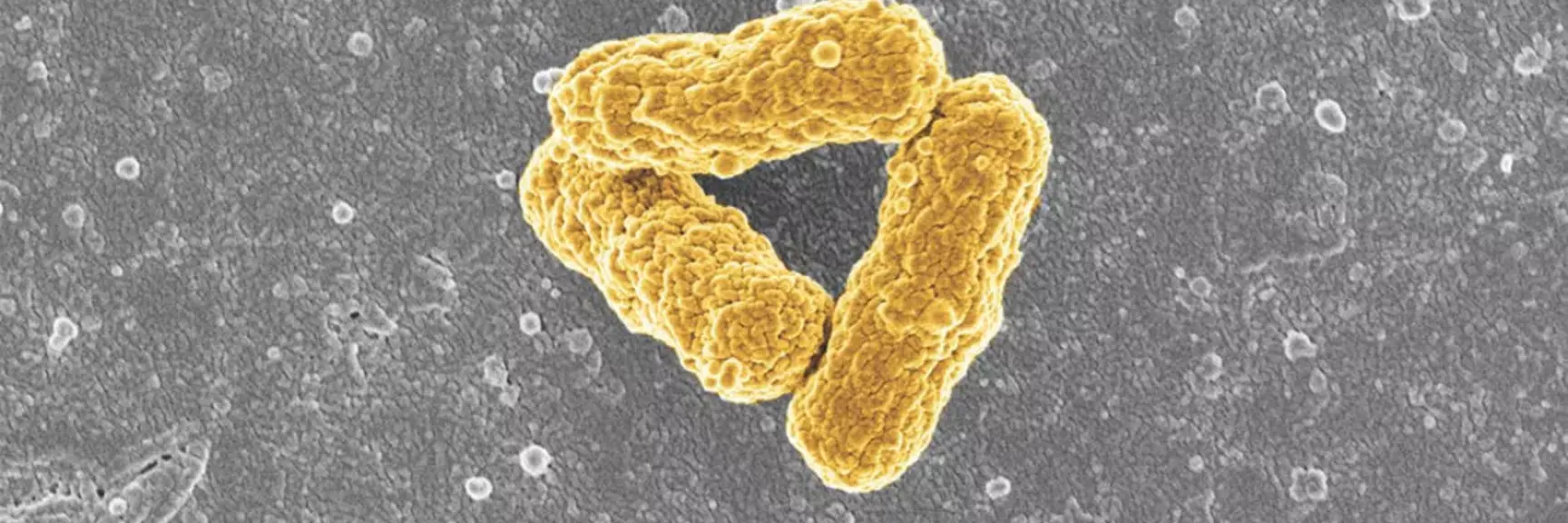
Generative Biology Doctoral Training Programme (EIT DTP)
The Generative Biology Doctoral Training Programme (DTP) is a 4-year DPhil course, funded by the Ellison Institute of Technology (EIT), designed to train doctoral researchers in cutting-edge areas of generative biology. This programme is hosted by the Department of Chemistry with involvement from other departments in MPLS and the Medical Sciences Division, and has fully funded scholarships available for both home and overseas applicants.
Key topics and themes will focus on fundamentals of generative biology, reflecting the breadth and depth of the research experience of the supervisory pool consisting of EIT and University of Oxford investigators. It is anticipated that research proposals will focus on the key challenges in making biology engineerable and therefore have the potential to impact, directly or indirectly, on:
- The ability to write in the natural language of biology, and
- The ability to understand which DNA sequences will generate biological systems that perform the desired functions.